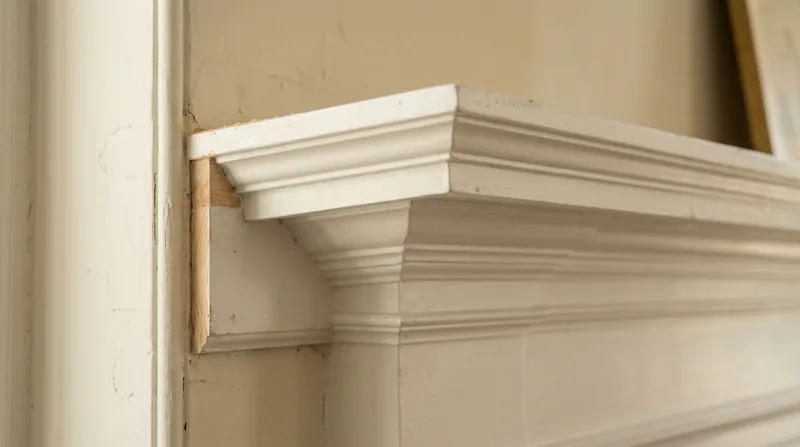




Crown molding and baseboard installation in Charleston is more than decoration. In the narrow single houses of South of Broad and Ansonborough, in the Victorian cottages of Cannonborough, and in the raised bungalows of Hampton Park Terrace, crisp trim lines and properly coped joints define the character of a room. The Lowcountry's salt air, humidity, and seasonal moisture swings demand materials and installation methods that hold their shape and finish for decades. We install crown molding, baseboards, chair rail, and window trim with the attention to existing period profiles or modern simplicity that Charleston's architecture deserves, using coped joints, clean caulk lines, and solid wood that won't cup, split, or fail.
Why Crown Molding and Baseboard Installation Matters in Charleston's Historic and Modern Homes
Crown molding and baseboards are not cosmetic afterthoughts in Charleston. In historic homes on the peninsula, they are part of the original architectural language. In newer construction on the outskirts of Summerville and Goose Creek, they anchor the transition between wall and floor, protecting drywall from impact and moisture. The Lowcountry climate, with its long humid summers and salt-laden air, puts stress on trim. Poor installation, cheap materials, or caulk that cracks and shrinks will show within a season. Proper installation means solid wood, correctly acclimated to the local humidity, fitted tight to the wall, and joined with coped cuts that expand and contract as one piece rather than separating at the seams.
- We measure and cut each joint on site to fit your walls exactly, accounting for settlement, out-of-plumb studs, and uneven floors common in older Charleston homes.
- We use solid wood species appropriate to your home's era and style, finishing with stain or paint that resists the salt air and humidity of the Lowcountry.
- We caulk and finish trim so that joints remain tight and clean through seasonal moisture swings without cracking or shrinking.
- We install baseboards and crown molding to protect walls from impact, moisture infiltration, and the wear that comes with living in a salt-marsh climate.
Proper trim installation protects your walls and establishes the visual foundation of every room in your home.
Local example: A homeowner in Ansonborough removed wallpaper from a 1920s cottage and found the original plaster walls stained and damaged where old baseboards had allowed moisture to wick up from the wood floor. New solid-wood baseboards, installed with a moisture break and proper caulking, now protect the plaster and look period-correct to the home's era.
For guidance on trim and finish carpentry standards in Charleston, the City of Charleston Planning and Preservation Department offers resources on historic home standards and materials for homeowners working on protected properties.
How We Install Crown Molding and Baseboards in Charleston Homes
Installation begins with understanding your home's style, existing trim profiles, and the condition of your walls and floors. In a 19th-century single house with heart-pine floors and plaster walls, the approach differs from a modern ranch in West Ashley or a raised beach house on Folly Beach. We visit your home, measure every wall, account for out-of-plumb and uneven conditions, and propose materials and a finish that match your home's character and your budget. We then install trim with precision, using coped joints on inside corners so trim expands and contracts as a single piece, eliminating gaps that open and close with seasonal humidity.
- We assess your walls, floors, and existing trim to determine the best material, profile, and installation method for your home.
- We source solid wood trim, pre-finish or stain it off-site to your specification, then install it with coped joints and minimal caulking.
- We use shims and fasteners to secure trim firmly to studs while allowing for seasonal wood movement and settlement.
- We caulk, sand, and finish all joints so the trim appears seamless and ready for paint or stain.
This step-by-step approach ensures trim that looks crisp on day one and stays tight for years.
Real example: A homeowner in Mount Pleasant replaced carpet with new hardwood and wanted matching crown molding and updated baseboards. We matched the profile to the existing kitchen trim, sourced solid poplar, finished it on-site, and installed it with coped joints and minimal caulk. The result is a clean, modern look that ties the room together without the cost of replacing every wall.
For more on finish carpentry and trim work, see our finish and trim carpentry page.
Crown Molding and Baseboard Installation Methods: Solid Wood vs. Alternatives
| Approach | Description | Best for |
|---|---|---|
| Solid wood, stained or natural | Poplar, pine, oak, or maple trim installed with coped joints, finished on-site or pre-finished. | Historic homes, modern interiors where wood grain and warmth are desired, and any room where durability and refinishing are priorities. |
| Solid wood, painted | Poplar or pine primed and painted with high-quality trim paint, coped and installed with minimal caulk. | Period homes, modern cottages, and any space where a crisp white or colored trim line is the design goal. |
| MDF or composite trim | Factory-finished, primed, or paint-ready engineered products that resist moisture and do not expand with humidity. | New construction, high-moisture areas, and homeowners seeking a stable, low-maintenance alternative to solid wood. |
| Hybrid approach: solid wood with paint | Solid wood trim on visible walls and ceilings, composite or MDF on less-visible surfaces, all unified with paint. | Mixed-use spaces, budget-conscious renovations, and homes where some trim must be durable and some can be economical. |
Solid wood trim remains the standard in Charleston's historic homes and is the choice when durability, refinishing, and warmth of material matter most. In high-moisture areas such as bathrooms or kitchens near the salt marsh, composite trim can be a practical alternative. We advise on the best choice for your home's style, climate exposure, and long-term goals.
Crown Molding and Baseboard Installation Cost in Charleston: What to Expect
Crown molding and baseboard installation costs depend on the linear footage of trim, the material you choose, the complexity of your walls and ceilings, and the finish you want. In Charleston, homeowners typically invest between $450 and $1,200 per room for a complete installation, including materials and labor. A single wall of baseboard in a bedroom might start at $350 to $500. A full room with crown molding, baseboards, and chair rail can run $800 to $1,500 or more, depending on room size and material choices. Custom profiles, stained finishes, or work in historic homes with out-of-plumb walls and uneven floors will cost more than standard painted trim in new construction.
Factors that affect the total cost include:
- Linear footage of trim and the number of inside and outside corners requiring coped or mitered joints.
- Material choice: solid wood (poplar, pine, oak) costs more than MDF or composite but lasts longer and can be refinished.
- Wall and floor condition: out-of-plumb studs, uneven floors, and plaster damage in older homes require shimming and extra labor.
- Finish: painted trim is typically less expensive than stained or natural finishes, which require more sanding and multiple coats.
- Existing trim removal and disposal, if you are replacing old baseboard or crown molding.
We recommend getting 2 to 3 estimates so you can compare material quality, labor approach, and timeline. A low estimate may reflect cheaper materials or rushed installation, while a high estimate might include unnecessary work. Our estimate is free and includes a walk-through of your home, a detailed material list, and a clear price for labor and materials. Call us at (843) 212-1020 or visit our pricing page for more details on what to expect.
Crown Molding and Baseboard Installation Near Me: What to Look for When Hiring a Carpenter in Charleston
Hiring a carpenter for trim work is an investment in your home's appearance and durability. In Charleston, where many homes are historic, on protected streets, or in HOA-governed communities, it matters that your contractor understands local building standards, material choices, and the specifics of your neighborhood. Look for a carpenter who visits your home in person, listens to your vision, explains the trade-offs between materials and methods, and provides a detailed estimate before starting work. Ask for references from recent projects, particularly homes similar to yours. Check whether the contractor is fully insured and can provide a certificate of insurance upon request. Ask about their experience with period trim in historic homes, moisture management in the Lowcountry climate, and how they handle coping and finishing.
Key things to ask a trim carpenter before you hire:
- Do you install trim with coped joints on inside corners, or do you use butt joints and caulk to hide gaps?
- What is your warranty on caulk and finish, and how do you handle cracks or separations that appear after installation?
- Can you match the profile and finish of existing trim in my home, or do you recommend replacing it all?
- Do you pre-finish trim off-site or finish it in place, and what is the timeline for a complete room?
- Are there any permits or approvals required for my project, such as historic district review or HOA approval?
Many homeowners in Charleston live on protected historic streets or in communities with design guidelines. Before you start, check with your local Planning and Preservation Department or your HOA to learn whether your trim project requires approval. Most trim installations do not, but it is worth a quick phone call. We are happy to discuss your project, answer questions about materials and methods, and provide a free estimate. Call us at (843) 212-1020 or contact us online to schedule a time to walk through your home.
Crown Molding & Baseboard Installation in Charleston: Pricing Guide
| Service | Price | Details |
|---|---|---|
| Baseboard installation, single room | Starting at $450 | Includes materials, labor, and finish for one room, typically 100 to 200 linear feet of baseboard. |
| Crown molding installation, single room | Starting at $550 | Includes materials, labor, coping, and finish for crown molding in one room, typically 80 to 150 linear feet. |
| Crown molding plus baseboard, single room | Starting at $900 | Complete trim package with both crown and baseboard, coped joints, and painted or stained finish in one room. |
| Multi-room or custom profiles | On estimate | Projects spanning multiple rooms, period-matched profiles, or stained finishes require an on-site visit for accurate pricing. |
| Travel and estimate | Included and free | No mileage fee or charge for the estimate in Charleston and surrounding areas within our service zone. |
Indicative pricing, the exact cost depends on square footage, finish, and site access. Free personalized estimate within 24h at (843) 212-1020.


