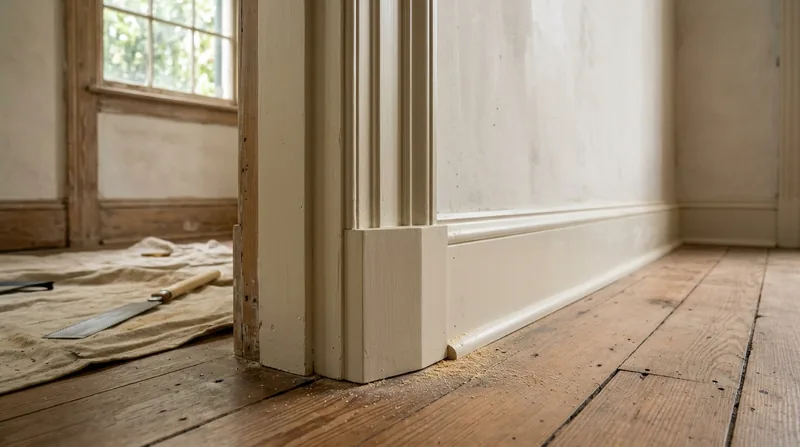




Finish & Trim Carpentry in Charleston means the difference between a house that feels finished and one that feels rushed. In Charleston's historic neighborhoods, from the narrow single houses South of Broad to the bungalows of Hampton Park Terrace and the raised beach houses on Folly Beach, trim work and interior finishes carry the eye. Salt air and the hot, humid Lowcountry climate attack wood relentlessly, and older homes often need casing replaced, crown molding restored, or wainscoting refreshed. We handle casing, paneling, custom trim, and finish carpentry throughout Charleston and the surrounding area, working with tight miters, scribed fits, and consistent reveals that make the work disappear into the room.
Why Finish & Trim Carpentry Matters in Charleston's Historic Homes
Charleston's architectural character lives in its trim. The 18th- and 19th-century single houses rely on simple, elegant casing and baseboard. The Victorian cottages in Cannonborough and Elliotborough demand period-correct wainscoting and crown. The 1910s bungalows in Wagener Terrace need clean, consistent reveals and coped joints that sit flush. Salt spray, humidity, and thermal cycling warp and split finish work, and poor installation leaves gaps that collect moisture and invite rot. Good finish carpentry is not cosmetic; it protects the wood beneath and honors the home's original design.
- We install and repair casing, baseboard, crown molding, and custom trim that fits tight and stays tight in Charleston's climate.
- We scribe paneling and wainscoting to follow out-of-plumb walls and uneven floors without gaps or visible shimming.
- We replace rotted or damaged trim with matching species and profile, preserving the integrity of historic homes.
- We install interior doors with proper jamb work, reveals, and hardware that operate smoothly for decades.
- We build and install custom shelving, built-ins, and architectural details tailored to each room's layout and function.
Finish carpentry done well is invisible; done poorly, it's the first thing you notice.
Key info: In Charleston's older homes, trim work often sits over original plaster or damaged framing. We assess the substrate before proposing repair or replacement, and we work around lead paint and historic materials with appropriate care and documentation.
How We Handle Finish & Trim Carpentry in Charleston Homes
Finish carpentry requires precision and patience. We start with an on-site walkthrough to understand the room's geometry, the existing trim profile, and the condition of walls and framing. We measure twice, cut once, and fit each piece to the actual space, not the blueprint. In Charleston's historic homes, walls are rarely plumb and floors rarely level; scribing and coped joints are not optional. We use quality materials, match species and stain when replacing, and leave no gaps or visible fasteners.
- We survey the room and take detailed measurements, accounting for out-of-plumb walls and uneven floors.
- We select or source trim material that matches the existing profile, species, and finish.
- We cut and fit each piece individually, using coped joints and scribing to achieve seamless transitions.
- We install with fasteners set below the surface and filled flush, leaving the wood ready for stain or paint.
- We complete the job and leave the space clean, with no dust, no debris, and no surprises.
The result is trim that sits tight, looks intentional, and lasts decades without shrinking, warping, or opening up.
Local example: A Harleston Village Victorian needed crown molding and wainscoting restored after moisture damage to the plaster. We matched the original profile in Douglas fir, scribed the crown to follow the ceiling slope, and installed wainscoting with coped joints at every corner. The room recovered its original proportion and character.
Related work often includes wood rot and dry rot repair when trim removal exposes damage to the framing or substrate.
| Approach | Description | Best for |
|---|---|---|
| Casing and Baseboard | Install or replace door and window casing, baseboards, and shoe molding with tight miters and consistent reveals. | Interior finish work, room-by-room updates, historic restoration. |
| Crown Molding | Install crown at the ceiling line with coped joints and scribed cuts to follow out-of-level ceilings and sloped walls. | Formal rooms, period restoration, adding architectural detail. |
| Wainscoting and Paneling | Install frame-and-panel wainscoting, shiplap, or beadboard with scribing to fit uneven walls and coped joints at transitions. | Historic homes, dining rooms, bathrooms, protecting plaster from moisture. |
| Custom Built-Ins and Shelving | Design and build shelving, cabinets, and architectural details fitted to the room's actual dimensions and finish. | Storage solutions, period-appropriate details, maximizing awkward spaces. |
| Interior Door Installation | Hang interior doors with proper jamb work, casing, reveals, and hardware that operates smoothly and silently. | New construction, remodels, replacing damaged or misaligned doors. |
| Trim Repair and Restoration | Replace rotted or damaged trim sections with matching species and profile, restoring historic detail without full removal. | Selective repair, preserving original material and patina, addressing moisture damage. |
Finish & Trim Carpentry Cost in Charleston: What to Expect
Finish carpentry pricing depends on the scope of work, the materials you choose, and the complexity of the space. Simple baseboard and casing installation in a straightforward room starts around $550 to $800. Crown molding, wainscoting, and custom trim run higher because they require more labor and precision. Built-in shelving, cabinets, and architectural details are quoted individually based on design, materials, and the time required to fabricate and install. We always provide a detailed estimate before starting work, and we encourage homeowners to get 2 to 3 quotes to understand the market.
Factors that affect cost include the linear footage of trim, the complexity of cuts and joints, whether existing trim must be removed and disposed of, the condition of the substrate (walls, framing, plaster), and the finish you choose (stain, paint, clear coat). Matching historic profiles or sourcing specific species can add time and material cost. Travel within Charleston and the surrounding area is included; there is no separate mileage charge.
See our full pricing overview for detailed breakdowns and examples. Call (843) 212-1020 for a free estimate on your project.
Finish & Trim Carpentry Near Me: What to Look for When Hiring a Charleston Contractor
Finish carpentry is skilled work, and the quality of the finished product depends on the carpenter's eye, experience, and willingness to spend time getting details right. When you are evaluating contractors near Charleston or in Mount Pleasant, Summerville, or Goose Creek, ask to see samples of their work, especially coped joints, scribing, and trim installation in homes similar to yours. Request references from recent projects and follow up with phone calls. Understand whether the contractor carries liability insurance and whether they carry workers' compensation if they have employees. Ask about their process for matching existing trim, their approach to out-of-plumb walls, and how they handle substrate damage discovered during installation.
Ask whether the contractor is familiar with Charleston's historic homes and materials, and whether they have experience working around lead paint or historic plaster. Get the estimate in writing, including the scope of work, materials, labor, and timeline. Do not choose the lowest bid without understanding what it includes; finish carpentry is not a commodity, and cheap work shows. Call to request a free estimate and discuss your project in detail before committing.
Most finish carpentry in Charleston does not require a building permit, but some jurisdictions may require permits for structural alterations or modifications to historic properties. Check with the Charleston Building Department or your local code enforcement office if you are uncertain. Homeowners associations and historic districts often have guidelines for interior finishes; confirm these before beginning work.
Finish & Trim Carpentry in Charleston: Pricing Guide
| Service | Price | Details |
|---|---|---|
| Baseboard and Casing Installation | Starting at $550 | Simple trim installation in one room, includes material, labor, and finish prep. Cost increases with linear footage and complexity of cuts. |
| Crown Molding | Starting at $750 | Installation with coped joints and scribed cuts to follow ceiling slope and wall irregularities. Price depends on room size and ceiling condition. |
| Wainscoting and Paneling | Starting at $1,200 | Frame-and-panel or shiplap installation with coped corners and scribed fit to walls. Includes material, labor, and finish. Larger rooms and complex layouts increase cost. |
| Custom Built-Ins and Shelving | On estimate | Design and fabrication require on-site measurement and discussion of function, materials, and finish. Quote provided after consultation. |
| Interior Door Installation | Starting at $400 | Hang a single door with jamb work, casing, hardware, and finish. Multiple doors or complex layouts increase labor time and cost. |
| Free Estimate and Travel | Included | No charge for on-site consultation, measurement, and written quote. Travel within Charleston and surrounding areas is included, no separate fee. |
Indicative pricing, the exact cost depends on square footage, finish, and site access. Free personalized estimate within 24h at (843) 212-1020.


