Is Termite Damage Covered by Homeowners Insurance?
One of the most common questions homeowners in Charleston ask is whether their homeowners insurance will cover termite damage. Unfortunately, the answer is almost always no. Standard homeowners insurance policies explicitly exclude damage caused by termites, carpenter ants, and other wood-destroying insects. This exclusion exists because termite infestations are considered preventable through regular maintenance and inspections, making them a maintenance issue rather than a sudden, accidental loss.
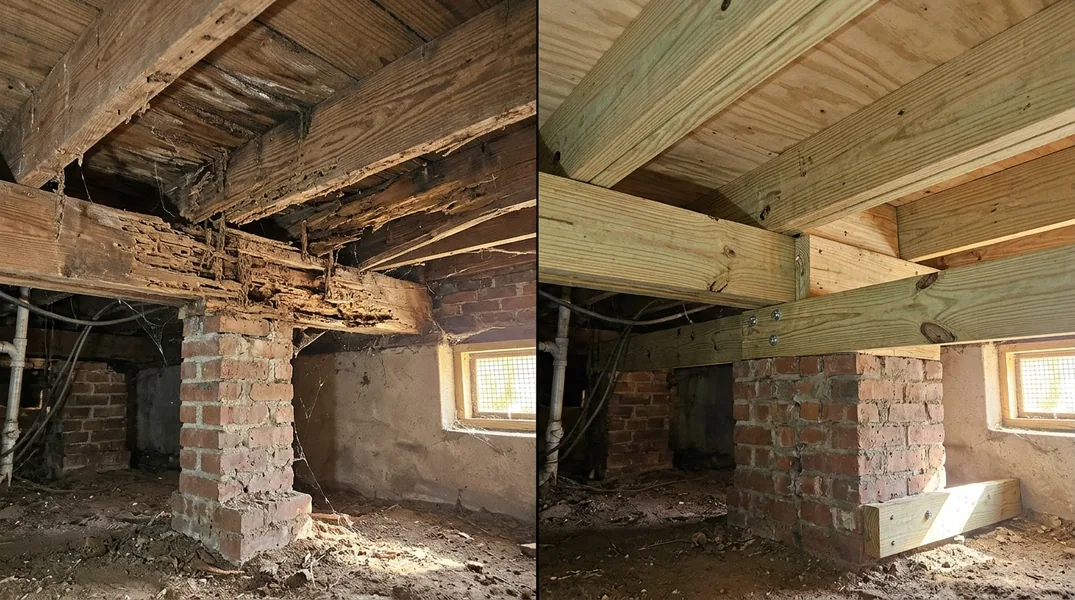
The reason insurers exclude termite damage is straightforward: termites cause damage gradually over time, and homeowners are expected to maintain their properties and catch infestations early. Insurance is designed to cover sudden, unexpected events like fires or storms, not slow deterioration that could have been prevented with proper pest control measures. If you discover termite damage in your Charleston home, you'll likely be responsible for paying for Termite Damage Repair out of pocket.
What About Water Damage and Secondary Structural Damage?
While direct termite damage isn't covered, there's an important nuance homeowners should understand. If termites create conditions that lead to water damage, and that water damage is sudden and accidental, your insurance may cover the water damage itself, not the termite infestation. For example, if termites damage wooden structural components and cause a roof to fail during a storm, resulting in water leaking into your home, the water damage might be covered under your policy's water damage provisions. However, the underlying termite damage would still be your responsibility.
This distinction matters because structural damage from termites can be extensive. Termites can compromise floor joists, beams, and load-bearing walls, creating serious safety hazards. If you suspect termite damage has affected your home's structural integrity, it's critical to have a professional assessment. Contact Charleston Carpentry at (843) 212-1020 for a free estimate to determine the extent of damage and necessary repairs like Floor Joist & Subfloor Repair or Beam Replacement & Load-Bearing Wall Removal.
Hurricane Damage vs. Termite Damage: Understanding Your Coverage
Charleston homeowners face unique risks due to the region's hurricane season, and it's important to understand how hurricane damage differs from termite damage in terms of insurance coverage. Hurricane damage is typically covered by homeowners insurance (though you may have a separate deductible), because it's a sudden, external event beyond your control. However, if a hurricane exposes your home to termite infestation or if termite-weakened wood fails during a hurricane, the situation becomes more complex.
If a hurricane damages your roof and allows water to enter, that water damage is covered. But if the structural damage was pre-existing from termites and the hurricane simply accelerated the deterioration, your insurer may deny the claim or require you to prove the damage was hurricane-related, not termite-related. This is why regular termite inspections and prompt Wood Rot & Dry Rot Repair are essential preventive measures. Homeowners in Charleston should document the condition of their homes before hurricane season and maintain detailed records of any pest control treatments or structural repairs.
When to File a Claim and What Documentation You'll Need
If you believe you have water damage or structural damage that may be covered by your homeowners insurance, timing and documentation are critical. You should file a claim as soon as possible after discovering damage, and you'll need to provide photographic evidence, repair estimates, and a detailed description of what happened. If termites are involved, even tangentially, be transparent with your insurer. Attempting to hide termite damage or misrepresenting the cause of structural failure can result in claim denial and potential policy cancellation.
Before filing a claim, get a professional assessment of the damage. Charleston Carpentry can provide detailed documentation of structural issues, which can be invaluable when working with your insurance company. We can identify whether damage is from termites, water intrusion, wood rot, or other causes, and provide repair estimates that your insurer can review. Having professional documentation strengthens your position if you're filing a claim and helps you understand exactly what repairs are needed and what they'll cost.
Protecting Your Home: Prevention Is Your Best Defense
Since termite damage isn't covered by insurance, prevention and early detection are your best defenses. Regular termite inspections, typically recommended annually in Charleston's humid climate, can catch infestations before they cause significant structural damage. Maintain proper drainage around your home's foundation, keep mulch and wood debris away from your house, and ensure your crawl space or basement is well-ventilated. Fix any water leaks promptly, as termites are attracted to moisture, and keep gutters clean and functioning properly.
If you do discover termite damage or suspect structural problems, don't delay. Early intervention can prevent costly repairs down the road. A professional carpenter can assess the damage and recommend repairs, whether that's localized wood replacement or more extensive structural work. The cost of preventive inspections and early repairs is far less than dealing with advanced termite damage that affects your home's foundation or load-bearing walls.
Wood Rot & Dry Rot Repair Near Me: When to Call a Professional
Termite damage often occurs alongside wood rot and dry rot, especially in Charleston's warm, humid environment. While your homeowners insurance won't cover termite damage, it's important to understand that Wood Rot & Dry Rot Repair may be covered if the rot resulted from a covered peril like a sudden water leak or storm damage. However, if the rot developed gradually due to poor maintenance or chronic moisture issues, it typically won't be covered either.
The best approach is to have any suspected damage professionally evaluated. Charleston Carpentry serves the greater Charleston area and can identify the root cause of structural damage, whether it's termites, rot, water damage, or a combination of factors. We'll provide you with a clear assessment and repair plan, along with pricing information so you know exactly what to expect. Call us today at (843) 212-1020 or visit our website to request a free estimate and protect your home's structural integrity.
Looking for a professional carpentry contractor in Charleston? Charleston Carpentry responds fast for all your carpentry needs.
Get a Free QuoteOur services: Wood Rot & Dry Rot Repair · Termite Damage Repair · Floor Joist & Subfloor Repair