Why Charleston Doors Stick: The Local Climate Factor
If you live in Charleston, you know the humidity here is relentless. Our coastal climate brings moisture-laden air that penetrates wood door frames year-round, especially during spring and summer months when the air feels thick enough to swim through. When wood absorbs moisture, it swells. When it dries out, it shrinks. This constant cycle of expansion and contraction is one of the most common reasons homeowners experience a door that won't close properly.
The problem becomes especially noticeable in older homes, where original wood frames have been cycling through humidity changes for decades. A door that slides smoothly in winter might bind and stick by July. Many homeowners assume this is just a seasonal quirk they have to live with, but persistent sticking is often a sign that the frame itself has warped or that the foundation beneath the door has shifted. Understanding this pattern is the first step toward identifying whether your sticky door is a simple fix or a symptom of something more serious.
Termite Damaged Door Frames: A Hidden Threat
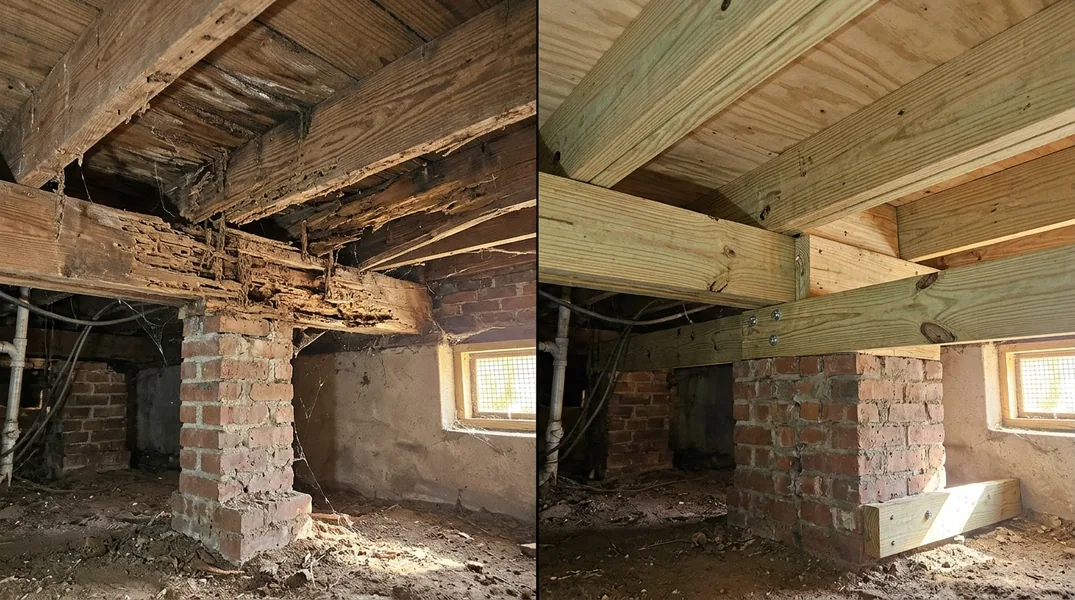
Termite Damage Repair is one of the most urgent issues we address at Charleston Carpentry, and for good reason. Termites are attracted to the moisture-rich environment of Charleston and surrounding areas, and they love wood door frames. When termites tunnel through the structural wood around your door, they weaken the frame from the inside out. This damage often goes unnoticed until the door starts sticking or becomes difficult to latch properly. By that point, the infestation may have progressed significantly.
A termite damaged door frame typically shows subtle signs before it becomes obvious. You might notice the door frame feels slightly soft when you press on it, or there may be small holes or sawdust-like debris around the frame. The door itself may stick unevenly, binding more at the top or bottom depending on where the damage is concentrated. If you suspect termite activity, it's critical to have a professional inspection as soon as possible. Ignoring termite damage allows the infestation to spread to other structural elements like floor joists and beams, which can compromise your home's integrity far beyond a single sticky door.
House Settling and Foundation Movement in Older Charleston Homes
Many of the homes in Charleston were built on settling piers, a construction method that was standard decades ago. These piers support the house above the ground, which helps with moisture control but also means the foundation can shift over time. As piers settle unevenly or concrete footings crack, the entire house frame shifts slightly. When this happens, door frames that were once perfectly square become racked (twisted or out of square), causing doors to stick.
House settling is a natural process, but it accelerates in homes built on clay soil or in areas with poor drainage. The Charleston area has both conditions, which means settling is particularly common here. You might notice sticking doors in conjunction with other signs of settling, such as cracks in drywall, gaps between walls and ceilings, or windows that are hard to open. If settling is severe enough to affect multiple doors throughout your home, you may need Floor Joist & Subfloor Repair or even Beam Replacement & Load-Bearing Wall Removal to stabilize the structure. A professional assessment can determine whether your sticky doors are the result of minor settling or a more serious foundation issue.
How to Diagnose the Root Cause of Your Sticking Door
Before you grab a plane or sandpaper, take time to diagnose what's actually causing your door to stick. Start by examining the door frame carefully. Look for visible signs of damage: soft spots in the wood, small holes, discoloration, or warping. Check whether the frame is square by looking at the gaps between the door and frame on all sides. If the gaps are uneven, the frame is likely racked due to settling or moisture damage. If the gaps are even but the door still sticks, the problem is probably the door itself, not the frame.
Next, observe when the sticking is worst. Does it happen only in humid months? That points to moisture swelling. Does it happen year-round? That suggests structural movement or termite damage. Try opening and closing the door several times and note exactly where it catches. Does it bind at the top, bottom, or along the entire edge? This information helps professionals pinpoint the cause. If you're seeing multiple sticking doors in different rooms, especially combined with other signs of settling or pest damage, contact Charleston Carpentry for a free estimate. We can assess the situation and recommend the right solution.
Wood Rot & Dry Rot Repair Near Me: When to Call a Professional
Wood Rot & Dry Rot Repair is essential when moisture damage has progressed beyond simple swelling. Dry rot, despite its name, actually requires moisture to develop. It's a fungal decay that weakens wood structurally, making it soft and crumbly. If your door frame has dry rot, the wood loses its ability to hold the door square, and no amount of planing or adjusting will fix it permanently. The frame must be repaired or replaced.
Wet rot is another form of decay that occurs in areas of chronic moisture exposure. Both types of rot spread if left untreated, so early detection is crucial. If you notice a musty smell near your door, visible discoloration, or wood that feels spongy, you likely have rot. This is not a DIY fix. Professional carpenters have the tools and expertise to remove damaged wood, treat the underlying moisture problem, and install new framing that will last. Call Charleston Carpentry at (843) 212-1020 to discuss your situation and get started with a repair plan.
Prevention and Long-Term Solutions for Sticking Doors
The best approach to sticking doors is prevention. Ensure your home has proper drainage around the foundation and that gutters direct water away from the structure. Inside, maintain consistent humidity levels, ideally between 30 and 50 percent. A dehumidifier in humid months can help, and proper ventilation in bathrooms and kitchens reduces moisture buildup. Seal any cracks or gaps in door frames and around windows to prevent water infiltration. If you notice early signs of settling or pest damage, address them immediately before they affect your doors and other structural elements.
For doors that are already sticking, the solution depends on the underlying cause. Simple humidity-induced swelling might respond to seasonal adjustments, but if the problem persists or worsens, structural repair is necessary. Whether you need Wood Rot & Dry Rot Repair, termite damage restoration, or foundation reinforcement, Charleston Carpentry has the experience to handle it. We serve homeowners throughout the Charleston area with honest assessments and quality workmanship. If your doors won't close properly and you're not sure why, reach out to us at (843) 212-1020 or visit our website to request a free estimate. We'll identify the problem and provide a solution that keeps your doors working smoothly for years to come.
Looking for a professional carpentry contractor in Charleston? Charleston Carpentry responds fast for all your carpentry needs.
Get a Free QuoteOur services: Wood Rot & Dry Rot Repair · Termite Damage Repair · Floor Joist & Subfloor Repair